We did not know what to expect. This was our first post-Corona hotel stay and we were apprehensive. We had booked two nights in our favorite go-to place, the Calistoga Spa. Calistoga, a little town, nestled in the Napa Valley holds a huge place in my heart. Calistoga is rich with memories of my youth. It is the only place we went to for family vacations when we were kids. For my parents, it was not far from San Francisco (around two hours depending if my father got lost), and we were guaranteed wonderful, usually hot summer weather. My mother’s goal was to get her little brood out of the fog belt of San Francisco, and we would get tan like browned chickens
We stayed at a no-frills resort, then called Little Village, for around $60 a week, running in to the same families every year. My mom did all the cooking and managed to make the best meals for us. The kids had a ball playing hide and seek and shuffleboard. We entertained ourselves with comic books and cut out dolls. The highlight of every afternoon was swimming in the huge geyser-heated public pool, Patchateau’s. We would trek over there through a field with prickly weeds holding our inner tubes. When we got to the pool, my mom paid the maybe fifty cent admission. She would coat us with Sea and Ski, and then we were off for a glorious afternoon playing and splashing in the tepid water. My dad would join us on weekends driving up from San Francisco on Friday afternoons. Those weekends were rejuvenating for him. He could look forward to taking a hot mineral bath in our own cabin. The sulphur in the water smelled like rotten eggs. In later years, Little Village put in their own pool which had cold water so we preferred swimming there in the heat which could reach over 100 degrees.
Jeff and I continued our family tradition and brought our children to Calistoga as well. We have also had some terrific times with our grandchildren there too. The magic is the same, lazy days in the swimming pool. Patchateau’s now is Indian Springs, very upscale and not open to the public as it once was, when it was a veritable international swim party on Sunday afternoons. We currently go to the Calistoga Spa, bring our own little barbeque and I manage to whip up great food in the tiny kitchen. When my grandchildren are there, I am like a short order cook making five different breakfasts from French toast to omlettes, to scrambled eggs.
at the Patchateau’s pool with my sister, around 1960
This time when we had made the reservation for the spa, we were almost reluctant to go with the new rules and restrictions. We could not arrive until 3pm where we had always been able to use the pool early in the day. We had to check out at 11AM where we had hung around the next day until maybe 2PM. Masks were required to walk around the resort though we did not need them in the pool area if we were sitting at a lounge chair. The rooms would be rather bare and no maid service available. The chairs around the pool would be spaced, and the rooms would be vacant the day before we came and the day after we left. Of course, the spa would be closed so no massages. We never did mud baths anyway, but an occasional massage was a special treat. Whew…this was the new reality, take it our leave it.
Initially we canceled then thought about it and said if we stay for two nights and bring most of our own food we will avoid the grocery store. We decided to give it a try. It was sad to see how many restaurants and businesses had closed in town. In some cases a favorite restaurant had moved out, and a new name had taken over the space. Calistoga had previously suffered the effects of the huge Napa Valley fires which spared the town thankfully but had also affected the tourist business. We walked around wearing our masks which was really strange and felt suffocating. We had dinner one warm night out at a patio restaurant with masked servers. It was a lovely creekside setting so it was pleasant.
One of our mornings I was out at 7AM getting us coffee and slipped off my mask. I breathed in the delicious air. This was the Calistoga I remembered. How do you describe the smell of a place? I don’t even know the right words, but that early morning took me back to how it had always been. We really enjoyed our two days there… lazily floating around in our noodles in the pools, reading and relaxing. It was good to get away from the constant barrage of scary news. The best parts of Calistoga are still the same, the sweet air, the total relaxation, the warm sun. We will go back again and pray for when we can be there without masks.
the upside down sign at this restaurant which was closed somehow felt like a metaphor for everything else…
Even my daughter, a seasoned traveler who had been to Cuba on her own adventurous travels many years ago, was concerned about our planned Jewish Heritage tour to Havana. The news in the last weeks had been distressing with reports about severe food shortages and the dire conditions the Cubans had to deal with on a daily basis. A few days before we were supposed to leave, I called our tour director to check in with her on the latest developments and to hear from her if she thought it was safe and even sensible to travel to Cuba. Our tour leader, Miriam Levinson, has travelled to Cuba more than 200 times over the years. She assured me that her contacts told her our hotel was functioning and our tour bus had enough fuel, and we did not need to worry.
So, we decided to go forward with the attitude this trip would be a learning experience. We arrived in Miami for an overnight stay, gathering with our group of fifteen and having an orientation from our leader. The group was from all over the United States and it did not take two minutes for us to start playing “Jewish” geography. Everyone knew somebody, who knew somebody, etc., etc. We were a lively, friendly group ranging in age from early 60’s to a few over eighty. Two seniors were part of our group were not Jewish but they fit right in and seemed to enjoy everything. What is interesting about traveling with a Jewish group is sharing a baseline understanding about Jewish history, anti-Semitism, the Holocaust and having a common empathy about Israel especially since Oct. 7.
Miriam Levinson was born in Cuba, the daughter of Holocaust survivors. Her stories and anecdotes about growing up in Cuba in the Jewish community before fleeing in the 1950’s were the highlight of the trip for me. We learned about her grandparents, her sister, and Miriam’s childish pranks like falling into tar in her brand new party dress and her mother’s reaction. We loved visiting her childhood home which was narrow in a railroad style. The story of how she stays connected to the occupants of the house is fascinating. It had been bequeathed to a non- Jewish best friend of her father when they fled, then passed along to a relative of a woman who lives there now whom Miriam considers to be her “sister.” We went to the house, neat as a pin with every surface polished, saw Miriam’s family photos and were feted with a delicious cake and real Cuban coffee. (The coffee we had in the hotel every morning was disappointing, weak and tasteless.) Miriam’s “sister” went along on our travels, always watching out for us getting in and out of the bus and keeping us from getting lost.
We had a very knowledgeable Cuban guide with us, Vicky, who answered all of our many questions and continually provided historical background and context. We learned how difficult it is to live in Cuba now. Cuba relies on the tourist industry which has been severely curtailed. It was very much affected by Covid and never really came back. With the current fuel shortage, many tour groups have canceled. It is difficult for locals to get around, even to get to work. A young woman who worked in the hotel at the front desk has to get up at four in the morning to get on one of the few running buses to make it to work. We also saw makeshift open taxies with people piling in. There were lines in front of the banks. There was garbage piled up all over as trash collecting can’t be done. There are few open stores, certainly not many large markets and only a state-run department store. People sell food stuffs from their porch or garage.
In many ways we experienced a tourist bubble. The hotel, Marques de la Torre, was comfortable and had a swimming pool on the roof with amazing views of Havana. The breakfast buffet in the hotel was abundant, though the food wasn’t that great for spoiled Americans. The only thing we had to contend with was sketchy WiFi. What was interesting is to find out that virtually everyone in Cuba has a cellphone. I took a photo of a room in the historic Nacional Hotel where the staff was taking a break and everyone was on a cellphone. You should know that the average monthly salary is $30-40. It is hard to believe that people can get by on that amount of money but housing, education costs, and some medical care is covered. People have to buy their own food. We all brought cash with us because there is no use of credit cards. We left a few dollars every day for our hotel maid. In Cuba, a dollar still means something as 500 Cuban pesos equal one dollar. We also brought monetary donations for the two synagogues we visited as well as an assortment of over- the- counter medicines, school supplies, household items and a variety of other goods.
We learned that the history of the Jews in Cuba goes back to Christopher Columbus. Sephardic Jews from Spain fleeing the Inquisition came over with him on his boats. At one point in the 1950’s before the revolution, there were maybe twenty- five thousand Jews divided between the Sephardic and Ashkenazi communities with five or six synagogues. Now there are maybe one thousand. We went to the Ashkenazi synagogue for Friday night services. They are a small group but they try hard holding Shabbat services, celebrating holidays and have a Sunday school. A young man, the son of the community president, told us all about what they are doing. He was charming and impressive and helped lead services. Suddenly towards the end of services all the lights went out. This is commonplace as there are rolling blackouts. We all headed to the bus to go to our Shabbat dinner in a hotel but somehow in the dark Jeff followed the local Cubans down stairs to their Shabbat dinner. When I realized he was not on the bus, our tour leaders went looking for him. I was glad to find him.
We also visited the Sephardic community and had the local leader speak to us in Spanish about his community with Vicky translating. The Sephardic synagogue is mostly just a senior center now and is not active. They had a small but haunting Holocaust memorial room. We visited the Jewish cemetery which sadly is rather overgrown with weeds. It would not take too much to get it looking better.
We learned about Cuban history and found out about the beloved national hero, Jose Marti, who was also a marvelous poet and philosopher. His image is all over Havana. We were enriched from hearing from several scholars. I especially enjoyed the lecture in art history at the Museum of Fine Arts. We saw some very unique art like mounted cockroaches and oversize hippos by the artist Roberto Fabelo and amazing paintings in different styles. We visited the Muraleando Community Art Project bursting with murals, sculptures and mosaics all made from piles of discards and garbage, several floors of the most creative artwork. We were entertained by a dance production put on by a young troop of dancers and heard a fascinating talk about Cuban music which is such an important part of the cultural scene. It was surprising to learn about the strong presence of Santeria, a combination of African and Cuban influences which blends Catholicism with the worship of spirits.
I especially enjoyed a lecture from a sociologist, Marta Nunez Sarmieto who explained about the place of women in Cuban society. Women are strongly represented in high positions outnumbering men as lawyers, doctors and in all professions. The interesting twist is that besides working full time, they also have second jobs to manage their households. It is not considered “macho” for men to help at all in the house, apparently a cultural norm. Divorce is also quite common and easily obtained.
We had a telling experience after having lunch at a lovely outdoor café. I had half of my bagel and lox left on my plate ( yes, bagel and lox in Cuba.) Four little boys approached me, pointed at my leftover sandwich to see if they could take it, and of course I said “yes.” They swooped it off my plate in seconds. What was sweet is how the “leader” divided it into small bites for everyone. The restaurant food in the private family-run restaurants we visited, known as paladars, was really very good. We were always welcomed with mojitos. I enjoyed the variety of fish, especially snapper, and rice and beans was a constant. Desserts like flan were yummy. Of course, this kind of fare was not available for the average Cuban, only for us privileged tourists.
The infrastructure is really in bad shape. I saw many old grand edifices that were now crumbling buildings. I kept thinking that the buildings were like sad dowagers, who had their heyday and were once elegant. The mafia ran fancy casinos and nightclubs years ago now mostly gone. It was a treat to see the shiny old cars from the fifties and sixties everywhere, Chevy’s, Fords, Cadillacs, Studebakers. Jeff loved them. Their strong colors like hot pink, deep red, dark green and royal blue stood out. The cars look pristine and beautiful on the outside, but just don’t look under the hood. The engines are put together with whatever scraps they can find to get them running.
The Cuban people we encountered serving us in the restaurants were friendly and attentive. They really appreciated that we were there. Despite their difficulties, it was fun observing young women on the street dressed fashionably, coloring their hair and having long decorated nails. It is not as though they want any less than any fashionable women anywhere desire. It was amusing to learn that Cuban people love old westerns, religiously follow Spanish soap operas and American television. The six days I was there, I never saw any police which seemed surprising to me. I felt safe though there were many persistent beggars who approached us for dollars and self- peddled taxi drivers who wanted to give us rides constantly .
Hemingway’s house
One of our interesting side trips was visiting the estate of Ernest Hemingway. It was a surprisingly cool day with elaborate clouds stretched across the sky. There were beautiful views from the terraces around the house. We wandered around but could not go in the main house, just peek in the rooms from the outside. The windows were open so we could see his library, his his bedroom, trophy animal heads on the walls, one of his typewriters, his Nobel Prize in a display case. I imagined him walking around the lush grounds probably having a cocktail. His boat was on display which he used to fish for marlin. It’s hard to believe all we saw and experienced in just six days. Havana was once a grand city and still is a place of beauty but overshadowed by struggles and shortages. The Jewish community is just hanging on but with its determination hopefully will keep on going.
The young woman in jeans ripped at both knees and purple dyed hair tenderly brushed away strands on the comatose patient’s forehead and didn’t try to hold back her tears. Maggie, the ICU nurse, checked the lines one last time making final notations wrapping up a long shift. Though she was tired, Maggie tried to be kind to the hovering family members who asked too many questions that had no easy answers. She handed the weeping girl a box of tissues. “I know it’s a difficult waiting game Hon, but there’s nothing else to do for her. She might pull through. You’ve got to have hope.”
When Becky got the call two weeks ago that her beloved eighty-three year old Grandma Stella was hospitalized in Oakland at Summit Hospital and in a coma from a stroke, her family worked out a schedule so someone was with her at all times. There were too many horror stories of hospital screw ups, and they knew she needed a family advocate to be there for her. Becky squeezed in a few hours in between college classes at Cal in Berkeley, where she was a sophomore, a twenty-five- minute BART and bus ride to the hospital. She had books in her backpack to study for a biology midterm, but they never got opened.
Walking down the hall breathing in the hospital smells coming from half-eaten food trays and the squeak of the shiny linoleum floors put her in a reflective mood. Becky hated to see her beloved vibrant grandma looking so helpless, tethered to lines with a ventilator breathing for her. This was not the same person who taught her the Tvist, as she called it and danced salsa with her on her checkered kitchen floor. Her grandma stayed up late with her watching old movies, and they would snuggle together in her bed eating popcorn. The words of grandma’s favorite song repeated in her head in an endless loop, those were the days my friend, we thought they’d never end.
“Grandma, it’s me… Becky. Please wake up. I have so much to tell you about school and Eric, my boyfriend. I’m thinking of changing my major. I’m even considering pre-med. Can you believe that? Grandma, you always tell me I’m your favorite grandchild, open your eyes for me.” Becky had read that people in comas hear so she kept up non-stop chattering hoping to reach her with her familiar voice. There were four grandchildren, Becky and her sister Marsha and her cousins Ben and Debbie. Grandma told each one they were her “favorite,” and they each believed it because she made them feel important and unconditionally loved. “Grandma, please wake up. Mom is really bugging me about Eric and I need you to speak with her. He’s really smart, a physics major, and very cute. I know you’d like him.”
Becky and her mother got into regular shouting matches over just about everything. They were that kind of family, loud and boisterous but underneath, fiercely loyal and supportive so when there was a crisis like Grandma getting sick, everyone came together. Her parents didn’t approve of Eric, with his long pony tail and torn jeans, and because he wasn’t Jewish, but Grandma and she had an understanding. Grandma knew she wanted to marry a Jewish boy but that was years and years away so she didn’t bug her like her annoying parents. She just wanted her to be safe and have fun. Grandma missed out on having any fun as a teenager having to flee Nazi Germany.
Grandma was the fulcrum of her tight knit family making important decisions with an iron will. She was smart and shrewd, investing in real estate and did well in the stock market having the foresight to buy technology stocks. Grandma made a comfortable life for herself and her husband. She might have looked like she was all fluff but underneath she was made of steel. When grandpa was alive, he doted on her and followed her like a puppy. She was a force, barely five feet, decked out in high heels every day with her signature poufy blonde hairdo sprayed to perfection.
The doctors told the family that a major blockage of her carotid artery in her neck had caused the stroke. She did not like going for regular check-ups no matter how much the family prodded her. “Doctors are for sick people,” she said. Grandma said she was “vonderful” no matter how she felt, though in the last month she had been mentioning occasional dizziness, and we were concerned. She hated the thought of being an invalid and having to be dependent on anyone.
There was a doctor’s appointment scheduled for her and my mother was going to take her, by force, if necessary, but she collapsed at home the night before the appointment. Fortunately, my Uncle Harvey was putting in some lightbulbs for her and called 911. The paramedics came in minutes, and she was taken to the hospital by ambulance but slipped into a coma despite efforts to break the clot.
When I think about it, I know she sensed something was wrong. I should have realized she was ill. A few weeks ago when I was at her house she said to me, “Becky, I’m tired. It’s time for me to join your grandfather.” I was floored. She was like the Energizer Bunny, constantly in motion, busy from morning until night talking to her broker, calling friends, shopping on-line, nudging her grandchildren.
“Grandma ,” I scolded, “ have you been staying up too late watching your old movies?” She was a night owl, often up into the early hours of the morning. Classic love stories were her favorite and she knew some movies practically by heart. I think we watched Pretty Woman together ten times. The real reason she stayed up late was to keep herself awake and avoid bad dreams. Even though it was many years ago, she still had nightmares about her years in Nazi Germany .
I stroke her forehead, her hair flat and matted. When I look at her in bed she is like a deflated balloon which had once soared high and proud. The drip of the IVs and the hiss of the ventilator mock her vitality. Intensive care is like an alternate universe where life hovers and time has no boundaries.
“Grandma, you have to get better so I can take you to Mr. Charles. I know he’s missing you.” Her Wednesday 10 AM appointment with him and her 11:30 AM manicure with Miss Lillian were sacred weekly events. Her chipped nails and flat grayish hair said everything about her pathetic condition.
Grandma Stella had a way about her. She was a huge flirt whether it was chatting up a shoe salesman at Macy’s or the young man changing her tire at Big O. When I was with her, I wanted to crawl in a hole in the ground. It was so embarrassing. She loved attention and she knew how to get it. Three weeks ago, when we were in Luigi’s, her favorite Italian restaurant to celebrate a family birthday, Mario, the maître d, fawned over her when she walked in, “Miss Stella, you’re looking absolutely fantastic!” When he escorted her to her favorite table, she acted like a celebrity on a red carpet turning her head from side to side as though paparazzi were taking her picture.
But you’d be mistaken to take her for a fool. She always jumped to take care of the bill, which she loved to do, but when she got the check that night she scrutinized it adding it up in her head faster than any calculator. Then she called over the server. In her accented English she told her in a firm voice, “Dahling…you made a mistake. I know you didn’t mean to do this but you overcharged us by ten dollars.” The flustered waitress apologized profusely. Grandma sweetly said, “those things happen dear.” She still gave her a nice tip choosing to believe it was an honest error.
It was her pale lips that really got to Becky. “Grandma, can I put lipstick on you like you used to do for me?” Becky pictured her bathroom drawer crammed with every nuanced shade of pink and red. Without her lipstick she was like a negative of a photograph that you’d have to hold up to the light to see the color. When Becky was a little girl, she imitated her by tottering around in her high heels and putting on lipstick. Grandma lovingly wiped off the uneven smears and carefully showed her in front of the bathroom mirror, ”Dahling, you need to apply it this way see, and then blot with tissue. Never forget to blot.” Grandma didn’t appreciate Becky’s current style of little or no makeup, torn jeans, scroungy, boring tee shirts, purple hair and Uggs or Birkenstocks. She’d tsk tsk, “you need a little lipstick Dahling. High heels are sexy… don’t you vant to be sexy like me? And you should know, purple hair is for clowns. ”
Becky pulled up the chair next to her grandma gently stroking her arm. She thought back to the time when she was fifteen and came to her house excited to show her a tattoo that she and her girlfriends got at the mall. It was a cute little butterfly on her ankle, but before she could explain it wasn’t real, Grandma turned white and her blue eyes got hard.
“Sit down Becky”. She had never spoken to her like that. “Do you have any idea what tattoos mean to me? You don’t know how many family members…my Aunt Branya and Uncle Karl and cousins and schoolmates were lost in the concentration camps. They had tattoos cruel numbers etched on their arms, but they were not for fun. You’re fifteen now and old enough to hear my story. I was the same age as you but that day meant the end of my carefree teenage years.
It was a sunny spring day in April 1933 and the Nazis had just come in to power in Berlin. I remember because it was right before my birthday and the lilacs were blooming, I had come by after school to Poppa’s tailor shop. He had a special surprise for my birthday, a beautiful garnet necklace and two slices of my favorite Linzer torte from the bakery. I was making tea for us. We heard a car screech and through the front glass window saw four men in black trench coats come out of a car across the street.
Poppa acted fast and pushed me hard into the storage closet and motioned with his finger to be silent. I felt like I was suffocating hidden behind bolts of fabric inhaling the musty odor of mothballs. The front door rattled, and I heard harsh voices telling Poppa that he was wanted for questioning. They demanded to know why he was not signed up as a member of the “Party.” I peeked through a crack in the door. He didn’t even have time to get his coat and left in his store apron. So many times, I’ve dreamt about him in his store apron, wandering the streets without his coat.
We didn’t know his fate. Momma was frantic and cried constantly. We made inquiries but there were only hushed rumors about detention camps. Other Jewish men had been taken away as well. This was at the very beginning of the Nazi rule even before the concentration camps were functioning. I had to do something and was determined to find out where they had taken my father and get him released. It was a morning two weeks after he had been taken and Hannah came into our bedroom. I was putting on red lipstick.
“Stella, what are you doing? Why are you wearing Momma’s lipstick and her new velvet shoes? She’s going to be mad.”
“Anyway dummy she never wears these shoes since us Jews have been forbidden to go out to nice places. You know she can’t go to the opera or theater any more. Hannah, you have promise me to keep a secret. I will go this morning to the office of the Gestapo. I have to find out where they took Poppa, but you musn’t tell Momma.”
“Stella, you can’t go there, it’s much too dangerous. You might not come back!“ She sobbed and clung to me.
“Hannah I have to go. I’m going to tell them Poppa was a brave soldier and was wounded during the first war. He even got a medal. I found it in his dresser drawer. Maybe they will release him for his past loyalty to the Vaterland. I’m dressing so I’ll look older. I can pass for an Aryan with my blond hair and blue eyes. Hannahle, look at those fashionable women through the window down on the street. They don’t have a care in the world. That’s how I’m going to act.” I convinced Hannah and myself taking another glance in the mirror gathering courage. I did appear older than fifteen but inside I was a scared teenager.
Poor Hannah was trembling and pale with fear. I reassured her in a firm voice, “Hannah, be brave and pray for me. I love you and I’ll return with news about Poppa. I promise. When Momma comes home, tell her I went to visit Annamarie. I don’t want her to worry.”
“I won’t tell her Stella. Please be careful. I’ll pray for you every second.”
I hugged her tight, got on my bike, and peddled hard to the offices of the Gestapo on Prinz-Albrecht Strasse. The red and black swastika of the new Reich boldly flying outside the building made my stomach clench. I left my bike and ran up the brick steps shaky in the high heels.
I got in the line of people like me with haunted darting eyes waiting silently to speak to an official at a big wooden desk way across the room. I smelled a nauseating stink of fear and sweat and realized it was coming from me too. I’d been waiting for over an hour and moisture was gathering under my armpits and dripping down my back. All thoughts of being in control were gone and Momma’s stupid fancy shoes hurt my feet.
There was a commotion and four Nazi soldiers came in to the office with rifles drawn and snarling dogs snapping on leashes. It felt like my heart stopped beating and in front of my eyes I saw my sweet sister Hannah and dear Momma and Poppa. Was this going to be the last day of my life?
One guard shouted orders. ‘Everyone out to the courtyard. Raus. Raus.’ The dogs were barking and pulling at their leashes. I was pushed with the other stunned people to the outer brick yard.
‘Line up facing the wall.’ I stumbled in the heels and in a trance lined up in front of the red brick courtyard wall. At the side of the yard, there were flower boxes with beautiful spring flowers. For a moment I was angry. I never even had a real boyfriend, just that dumb Fritz who followed me like a mooning puppy dog. Why God? I don’t want to die like this. I don’t deserve this fate.
Shots rang out, and my knees buckled. The people to the right and left of me dropped to the ground with sickening thuds. There were screams and shouting and I realized it was me screaming too. Every other person in the line was shot in the back like a rabid dog and the rest of us were left standing. I was alive through total luck. I shivered in shock.
Fancy officers in elegant black uniforms and tall shiny boots, the dreaded Gestapo I’d heard about, strutted about amused and chatting over the spectacle and soldiers dragged the bodies to a shed. One of them smirked, ‘Now the rest of you fine citizens of the Reich, who still has business in this office?’ I ran with the others who had survived back to the office and down the stairs fast. I grabbed my bike and peddled with every ounce of strength I had, not noticing I had wet my underpants.
When I got home, I fell into Hannah’s arms sobbing. Hannah held me and didn’t ask any questions. Momma ended up bribing some local officials to get Poppa released and thankfully he returned home after six weeks, a thin broken man with a shaved head who barely spoke, but he knew we had to get out of Germany. He immediately made arrangements to leave the country and were lucky to get affidavits six months later provided by Momma’s brother Uncle Herman who had already emigrated to the United States ten years before.”
Becky startled awake realizing she had drifted off recalling Grandma’s story. Becky stroked her hand still feeling a deep pang of regret that she got her so upset over that stupid tattoo. “Grandma it’s me Becky. I love you so much.” She spoke quietly to her “You taught me lessons I’ll never forget. I’m want to be brave and strong like you and make something of myself. And Grandma… I’ll get rid of my purple hair and start wearing lipstick. I’ll even wear heels …well, now and then. I promise.” Becky was certain she saw a little smile form on her grandma’s lips.
I’m sitting impatiently in the waiting room at the Emeryville train station on a fine spring day bobbling my leg and nibbling on a candy bar from the vending machine. It’s a comfortable room with lots of seating. I watch people coming and going, a motley parade of humanity, hear the announcements and read the overhead signage. I’m always excited before my train comes in, kind of like a little kid on his birthday.
The Zephyr to Chicago will be here in twenty-seven minutes. So here’s the deal. Since I got back from ‘Nam, I never get on an airplane. I was supposed to be on a transport plane and at the last minute my orders got switched. Three of my best buddies perished when that plane went down in a fierce rain storm. The rugged jungle-covered mountains were hazardous. We did everything together and losing them was hard. I suppose I’ve never completely gotten over the guilt of surviving.
Yeah, maybe it’s hard to believe, but I’ve managed to live my life just fine here in the Bay Area driving or taking the Greyhound, but I’ll confess my most favorite mode of transportation is the train. I know most folks would consider train travel old fashioned but there is something soothing about it that appeals to me.
My late wife, Doris, and I were married for forty-three years. We were both local San Francisco kids and went to Lincoln High in the Sunset district. I even took her to the senior prom. She was real good looking with dark brown hair long and straight like the girls wore it then and chocolatey eyes and tall like me. I was a skinny basketball player, with a mop of blonde hair, kind of a cut-up and only a fair student. When I squeaked in to San Francisco State, I realized I needed to shape up and decided to study accounting.
That was short lived because in my junior year, it was 1967, I enlisted in the Marines because several of my friends had already been drafted. I felt it was my duty. My dad had fought proudly in World War II, and I never forgot his stories. It was a crazy time with the war heating up and anti-war protests all over the country. Doris and I got engaged before I left for basic training, and it was tough for her to wait it out.
I missed her like crazy. She wrote me tons of letters, and I figured it was lucky she was occupied getting her teaching credential. Somehow picturing her at home gave me hope and courage. I read each letter she wrote twenty times.
When I got back from my tour of duty in Vietnam, thankfully in one piece, at least physically, we got married. I forgot about finishing college though I must say I’ve regretted that many times. I knew, as a veteran, I wouldn’t have fit in with all those hippies anyway. I went to work for Doris’ father who had a big hardware store on Judah St. I had flashbacks for a long time and jumped at the sound of a car backfiring. The memories faded, but I never forgot what I experienced or the loss of my friends.
Our biggest disappointment was that Doris couldn’t get pregnant. Though we saw a raft of doctors, no matter what we tried, we couldn’t have kids. That made her sad and depressed, but somehow she learned to accept it or it would have brought us both down. Doris loved her fourth graders and taught many years and was crazy over her toy poodles, Ming and Sunny and spoiled them like crazy. She doted on her nieces and nephews too, and so did I.
Her heart attack four years ago, two days before Thanksgiving, came out of nowhere. She was sitting on her recliner and we were watching American Idol. Suddenly she got an odd look on her face, dropped her knitting and collapsed to the floor. I called 911 and they rushed her to the hospital but she was gone before they could do anything to help her. It was rough to accept because it all happened so quickly. The doctors said she had major blockages in several arteries. I wish we would have known but she really had no symptoms.
It’s not easy being alone but I’ve had to learn to adjust. I volunteer three days a week delivering Meals on Wheels to shut-ins, go to the gym, play poker with my Thursday night crew. I’ve been enjoying writing classes at the senior center and I’m tickled to have a creative streak that I didn’t know I had. In the evening when it is too quiet at home, I find myself longing for those lazy train trips which help me forget my grief and loneliness. I’m on my way to spend a couple of weeks with Doris’ sister and her husband who live outside of Chicago.
Even though I wouldn’t get on a plane, I sent Doris on trips to visit her sister in Chicago and her cousin Roz in New Jersey, to Hawaii with girlfriends and anywhere she fancied, even Paris and London. For our fortieth anniversary, we took a cruise to Alaska and picked up the ship in San Francisco. I ate myself silly that week and never missed the midnight buffet. We enjoyed car trips driving up the coast to Mendocino and spent many summer weekends in the Napa Valley or Tahoe and regularly went to the Shakespeare Festival in Ashland.
Two years ago, when our niece got married in Chicago, Doris reluctantly agreed to take the California Zephyr with me, at least one way. Flying to Chicago takes four and a half hours but it’s fifty-one hours from Emeryville on the train. She brought along her knitting, her Kindle, and enough snacks to feed a small African country. Oh Lord she was antsy. Time on a train seems to stretch like taffy getting pulled on a machine. Doris kept checking her watch, walking back and forth between cars and seemed out of her element. I was nervous thinking I made a big mistake to bring her along.
However when we hit the snow-capped Sierra Nevadas and the Rocky Mountains, passing pristine lakes and herds of buffalo, and lumbered through Salt Lake City and the plains of Nebraska she gradually settled in and understood why train travel, at least once in a lifetime for her, was worth the long, extra hours. She turned toward the window, took out her knitting, and was speechless seeing the wonder of the land and nature from a different perspective. She liked sleeping on the train, even thought it was romantic, and was surprised the food was quite good. Remembering that one train trip with her makes me smile.
Over the years, I’ve taken my share of train trips by myself. I have my routine. I get myself a seat in a middle car. If it is an overnight trip I get a sleeping berth, a “roomette.” I’m lucky I can sleep fairly comfortably in the close quarters, and the gentle rolling is better than any sleeping pill. I’ll take the train to Sacramento or to Reno where I’ll do a little gambling or go down the coast to Los Angeles.
I don’t mind the food in the dining car, save up a long novel and work on crossword puzzles. Just sitting and watching the oil derricks go by or the brick rooftops and mom and pop businesses keeps me entertained. I wonder about the folks living in these rundown towns, their every-day lives, what brings them happiness, what makes them sad. Sometimes I jot notes on people I notice or things I see which I save for my writing. I might even get inspired to write a poem or start a short story.
The best part for me anyway is meeting other passengers. There is a certain train etiquette I follow. If I’m sitting next to a stranger, I nod and say “hello” but don’t say much more unless they initiate conversation. Most people like their space, as I do, and I respect that. Sometimes I can’t resist chatting about a book I’m reading or someone else has on their lap. That can be a conversation starter or not. Once in a while, I join a poker game. I’m not a bad Texas Hold’em player, and it’s a good way to kill some time. I’ve met some real characters.
Here comes my train, pulling in sleek and graceful. I gather my things, wheel my carry on and get settled in my “roomette” which has a big picture window and two reclining seats which convert to a bed. I don’t mind not having my own toilet and use the shower at the end of the car. The attendant will come by to set up the bed and give me fresh towels and bed linens this evening. I put my carry on in the overhead bin and take out my book, a Tana French mystery I’ve been saving.
I notice a handsome woman standing outside the roomette across from me struggling with her bag. I get up to help her with the heavy sliding door and she nods gratefully. We don’t even exchange a real “hello.” I’ve gone on a few “dates” since Doris died but they were just a casual movie or dinner with some widow ladies from our church. I’m considered a “catch” these days. I’m in good shape and still have my hair and my teeth. I haven’t taken the plunge to try on-line dating but maybe one day I’ll get up my nerve. It’s no fun to be alone, even in my seventies.
I glance across the hall and notice the woman in her roomette across from mine. The door has a panel with a shade that she has not closed. She appears very stiff and uncomfortable, afraid to budge, and is clutching her handbag in her lap like it has a million dollars in it. She stares out the window as we take off. She is slender, elegant but over-dressed for the train in a matching navy pant suit, ivory colored blouse, red- striped scarf around her neck and wears round burgundy-framed glasses. Her hair is steel gray in an attractive cut.
After an hour I get up and stretch and take a walk which I do frequently because sitting in one place for hours is not healthy. The woman hasn’t moved and I can’t help myself. On my way back, I decide to inquire if she needs any help. Her uneasiness is visible. I knock on her door. She gets up and opens it up slowly.
I smile. “Ma-I’m guessing you’re not accustomed to train travel?”
She seems relieved and nods. “This is my…uh, first train trip.” I’m surprised by her heavy French accent.
“Train travel is a slow way to get somewhere but I find it enjoyable. And relaxing. You learn to sway with the movement of the train and let yourself go.” Maybe I said too much. She smiles a wistful smile, sighs and lets her breath out.
“I must confess. I’ve been petrified to get on a train. My therapist insisted that I must do it to get over …well. Oh, forgive me, I don’t know why I’m telling that to you.”
Now I’m intrigued and puzzled. “Can I bring you a cup of tea? I was just going to get one for myself.” Oh hell, I can’t remember the last time I had a cup of tea, but I just knew she’d be a “tea” person. I can’t imagine what it is about train travel that has traumatized her but then again I have my story with refusing to get on an airplane. At my age I’ve learned, everyone has their stories and carries “baggage.”
I return with an herbal mint tea for her and an English breakfast tea for me in a cardboard holder and four butter cookies. I knock on her door and hand her the tea and cookies. She smiles and relaxes. Her blue eyes twinkle, and she looks years younger. She blows on her tea, takes a sip and motions for me to join her in her roomette. She even takes a bite of one of the cookies. I get my book and take the seat opposite her and attempt to read while she observes the scenery. We go along like that for another hour. She closes her eyes and dozes, and I can’t help watching her sleep when she doesn’t notice. She is a beautiful woman and reminds me of some French actress, Catherine something, oh yeah, Catherine Deneuve but with silver hair. I’ve always admired attractive women. Nothing wrong with that. When they loudly ring a gong and announce “lunch is served”, she is startled, opens her eyes and addresses me.
“I hear the food is not half bad on these trains.”
“You’re right. It can be delicious and isn’t expensive. “I decided to just go for it. “Would you like to join me? I promise I won’t annoy you with too much chatter. By the way, my name is Harold Jackson.” I hold out my hand to shake hers though I was tempted to bend over and kiss it like in some old movie, but of course I didn’t do it.
She nods to me. “I am Francoise Reins, but please call me Fran. Francoise is too much for you Americans.” She chuckles then swings her purse over her shoulder and I follow behind her. I recognize the perfume I had given Doris one year for Christmas, not Chanel No. 5 but another Chanel, yes, I remember, it was “Coco.” Doris wore it for special occasions. Thinking of Doris fills up my heart.
We sit down to lunch and each select the daily special, the beef stew which is surprisingly tasty and rich with carrots and potatoes. The food has come a long way on trains with vegetarian options, even gluten free choices and calorie counts listed on the menu. I follow her by having a glass of red wine with lunch which I never do. It was a burgundy from the Napa Valley and went well with the stew. The wine loosened my tongue.
By the time the steward was bringing us apple pie, al a mode for me; she knew: I was a widower, that I was retired, that I never fly, that I had no kids, that I sold the hardware stores which I had built in to a small chain, that I like to read, love Mexican food, volunteer, take creative writing classes— my life in a nutshell. I even told her I was thinking of writing a mystery which takes place on a train which I haven’t said out loud to anyone. She is a good listener and I enjoyed our conversation.
Finally over coffee, she talks a little about herself but I sense she is reluctant. She lives in Berkeley to be near her only child, a son, who is a professor in computer sciences at the university and is married with two children. She spent most of her life in Paris as a publicist for one of the fashion houses. I guess that explains why she appears so well put together. A divorcee for a long time, she didn’t go in to any details about her ex but I was curious about him. Fran still hasn’t said a word about why she needs to be on this train to Chicago.
We head back to our roomettes. I pull out my mystery but I keep losing my place thinking about Fran. I get carried away, imagining we’re spies and lovers speeding in a rail car on the Orient express on our way to Paris or Istanbul. That sound like some old movie I’ve seen.
When dinner time rolls around, I’m hoping she will come out of her room looking for me, but she just stays in. I chuckle at my vivid imagination and head to the dining car for a sandwich wishing she was sitting across from me. After dinner, I stay up another hour reading, ring for my attendant to make up my bed then drift off. At around one in the morning I hear screams which make me jump out of bed. I know they are coming from Fran’s roomette. I pull on my pants and knock on her door.
“Fran, are you OK? It’s Harold. Are you sick?”
She opens the door slowly and appears white and drawn. Tears roll down her cheeks and I’m startled when she comes to me. I open my arms to hold her silently. A train attendant comes down the hall wondering what’s going on, but I wave him off.
She breaks away from me embarrassed. I blurt, “It’s OK Fran. I know what it feels like to be haunted by memories.”
“That’s just the problem Harold. My memories are so vague that I have created a huge monster in my imagination which starts with trains. It’s always trains.” She sits on one end of her bed and motions to me to sit on the other.
“When I was a little child, only three years old, my family lived in Berlin. I don’t remember much but have a vague image of my parents laughing and taking me to the park, riding on a carousel, and dressing me in fine clothes. I can recall having a dark blue velvet coat and black patent shoes and strangers stopping to admire me. My recollection of my father is that he was tall and handsome. I found out he was a prominent physician. My mother was a talented seamstress.
Then the Nazis took over Berlin and things changed. Many of my father’s patients stopped seeing him. One day we were taken from our home and sent to Theresienstadt, a detention camp in Czechoslovakia. Though my father had connections in the government and thought we were safe, he was sold out by supposed friends. My parents left everything behind and we lived in a cramped room with two other Jewish families. I had taken one little doll with me. Father treated people there for no money but people gave him odd bits and pieces of their lives as payment, a shawl, a pipe.
When my father contracted typhus himself and died, mother was broken and cried every day. She was a shadow of herself. Then one horrible day, the Nazi soldiers ordered us out to the square. We heard that the Danish Red Cross was coming for an inspection and they had to make the camp look like spacious, like there was enough space for everyone. We had to line up to get on a train which would take us east to a supposedly better camp, but there were rumors about where we were really going. My mother was frantic and held on to me so tight in the train. I couldn’t breathe. The smells were horrible and there was no place to go to the bathroom. I was so thirsty. It was spring. I heard birds chirping outside. I kept thinking, even as a little girl, that the birds were lucky. They were free. The train came to a sudden stop and before I knew what was happening my mother wedged me through an opening on the side of the door that some of the people had managed to pry open to get air and she pushed me out.”
“Oh Fran. What a tale.” She kept on, her eyes glazed like she was in a trance.
“I don’t remember much other than rolling down a hill with sharp rocks and crying hysterically. A railroad worker heard me and threw me in a burlap sack. He rushed me home to his wife, and she cared for me tending to my scrapes and bruises and giving me warm milk and porridge. I stayed with them for the next seven years. They were decent people and treated me kindly. They told everyone I was their niece whose parents had died, and because I could pass for an Aryan with blonde curls and blue eyes their neighbors accepted the story. They took me to church and raised me as Lutheran but the woman knew that one day she would tell me who I was and where I came from.
That day came when I was ten. I was not totally surprised because I never felt like their church was home for me. My mother had pinned a piece of paper on the inside of the coat I wore. It had the name of my parents, Inge and Heinz Strauss. I was a precocious child, and from that moment I was determined to find out about my parents. My “mother” took me to an American army installation and they got me connected with the Red Cross. After a month of investigation, I was told my mother was killed in Auschwitz, the destination of the train that I was on. She had saved my life by throwing me off the train.
I also discovered that I had an aunt in Paris who had been searching everywhere for me, and the Red Cross contacted her. I tearfully bid farewell to the wonderful people who had taken me in and went to Paris by myself on a train. I was so terrified on that train ride that I practically passed out, but a kindly woman, who turned out to be a Holocaust survivor herself, knew something was very wrong and stayed with me until I arrived in Paris at Gare St. Lazare and collapsed into the arms of my dear aunt Matilde who raised me from that moment on as her daughter. I learned about my faith, heard stories about my parents, and gained a sense of my roots. I studied at the university, met my husband and had my son.
So many nights I wake up screaming from nightmares. I dream I’m on a train, the door opens and I get pushed off a cliff. Everyone on the train cheers. My new therapist suggested that getting on a train might be the best way to face my fears.”
She stares out the window at the blur of darkness. I made up my mind, I won’t leave her alone tonight. I reach for her hand and gently hold it. “Fran, now you lay down. I’m staying here with you, and I’m going to chase your nightmares away. No one will come for you. No one will throw you off the train. I used to be a Marine. I’m one tough bastard.”
“Oh Harold.” She smiles and lays down on her pillow while I sit on the end of the bed. I murmur gentle words to her the rest of the night and doze on and off myself. I wake up cramped and uncomfortable but feel better seeing dawn breaking through with pink clouds on the horizon while she sleeps quietly and peacefully. I slip out to go and wash up and get dressed and return to my spot on the bed. She awakens and reaches for me and pulls me down next to her. I hold her and stroke her hair.
Jeremy Pierce squirms on his cardboard “mattress,” pulling up the sleeping bag under his chin. The snores and moans of the other kids in the makeshift camp under the 880 freeway ripple the dark. Once in a while he scores a bed in a shelter or crashes in an abandoned building. Traffic rumbles over them. They are runaways and throwaways, but they look out for each other sharing food, money whatever they can scrounge. When Dusty, the skinny girl from Denver, was sick, two of them carried her and left her at a hospital emergency room.
Jeremy lights a match —5am. He is the only one with a watch, a gift from his grandparents for his fifteenth birthday. It’s the one thing he’s managed to hold on to. He shivers. How the hell did I get to this place? I screwed up big time. His mother had warned him to shape up. He let his grades drop, and she hated his friends were dopers. He would stay out late or not come home and was constantly fighting with his father. They couldn’t get along at all. When the police brought him home that last night, he was high on Ecstasy. He liked that feeling of euphoria while it lasted. His father kicked him out the next morning.
At first, he thought it was cool to be free and on his own with no rules. He hitched to Oregon with another kid he met and they hooked up with other street kids. He got by on panhandling and working as a day laborer when he could get work. He had brought his guitar and sometimes sang on the street in front of a store. Later when he made his way back to the Bay Area, he’d sing at a BART station. He liked Bob Dylan and made a few bucks singing his songs. His voice wasn’t bad, in fact strangers often told him he had a really good voice, and he had an audience around him on a good day. Jeremy hoped and prayed maybe his mom would take BART to the city some day and see him busking and take him home but that didn’t happen for real. It was only a dumb fantasy.
Jeremy saw plenty of bad stuff on the road and it made him sick to see what kids did to get by. He knew enough to not get hooked up with bad drugs and saw what happened to kids who did. When a huge rat skitters over his legs he yells “NO!!! GET AWAY!” He flails and scrunches in the smelly sleeping bag practically suffocating himself. ears roll down his cheeks. I ‘gotta go home. I can’t take this shit any more.
Ginny Pierce stands at the sink, absently scraping crusted oatmeal out of the saucepot, staring out the picture window at the perfectly landscaped yard teeming with hyacinths and daffodils. Stupid cheerful daffodils. I want to yank them out. Sweet boy…where are you? It’s been two years, four months and three days. She counts out the time to herself every single day since Jeremy took off after her husband kicked him out. That makes his absence more real. The pain eats away at her. Oh Jeremy.
Wait. Oh my God! She drops the pot in the sink with a loud clang. Can it be? Ginny blinks her eyes convinced her bruised, shattered heart has conjured a mirage. A skinny, ragged boy with a huge grin is standing in the yard holding a backpack and a guitar case. He drops them on the lawn then waves his arms wildly and runs towards the house. Ginny fumbles with the sliding patio door.
“Jeremy… is it you? Is this a dream?” She pulls him in her arms, laughing and crying.
“Mom, it’s me. I hid until Dad pulled out. You don’t have to cry. Please don’t cry. I really hate it when you cry.”
Ginny snivels and stands back to scrutinize him closely as only a mother can do. His hair is bleached and spiked; he has big holes in his jeans, wears a dirty tee shirt with a faded Nirvana picture on it and a ring protrudes over his left eyebrow. “You’re so skinny and you…” She wrinkles her nose and unconsciously covers it with her hand.
”Mom, when you’re on the road you don’t get three squares and darn I missed my spa appointment.”
She hugs him again not wanting to ever let him go, not caring about his rank smell. “You’re still a smart ass,” she mutters quietly and nuzzles his grimy neck. It was his wary, empty eyes that made her insides quiver. Where has he been? What has he done to get by? She is afraid to find out.
“Mom, could you make me a he-man woman-hater’s breakfast. I know it’s not Saturday, but maybe you can make an exception.” He hadn’t forgotten her huge Saturday breakfasts and their silly code name for them. Jeremy dreamed about this meal a thousand times when his empty stomach growled.
She doesn’t say another word, marches to the Frig like a soldier going to battle yanking out butter, bacon, a carton of eggs, then setting a frying pan on to heat. She pulls out slices of bread from the bread box, throws on the bacon, gets another pan for the eggs. She sticks the sliced sourdough bread in the toaster like a frenzied short order cook. The kitchen fills with sizzling, intoxicating smells within seconds and Jeremy almost can’t take in the richness of the aromas he remembered so well.
His mom looks older with more gray in her short hair. An uneasy wave of guilt washes over him for what he’s put her through. Oh God, I’ve missed her— my funny, sarcastic mother. I’ve missed this room— even her silly collection of leprechauns. After I eat, I’m showering forever. I hate not being clean. Then I have lots to say to her. I’ve changed— I’ve grown up. Sleeping on the streets hasn’t been easy, but I’ve learned some things about myself. I can do better.
Ginny remembers the pancakes, the last component for the breakfast and heads to the pantry for the box of mix. Before she starts measuring, Jeremy says, “Mom, forget the pancakes. Really, this will be more than enough.” He heads to the kitchen sink, carefully washes his hands and forearms with hot water and dish soap leaving a dark ring above his elbows then dries them on a clean towel that he folds and puts aside. He takes his old place at the kitchen table on the right side.
The front door rattles. Ginny looks at her son in a funny puzzled way, then gasps in recognition, “Oh no… it’s Dad!” Jeremy’s face turns white. He gets up so quickly he knocks over his chair, ready to bolt through the patio door but it’s too late. They hear him approaching. They look at each other.
“Gin, I forgot the folder for the Whitehead account. Must’ve have left it by the computer. Hey, it smells damn good in there. What do you have…” He enters the room with a swoosh, his hard driving 6’ 2” masculine presence sucking the air out of the kitchen. Ginny stands guard in front of Jeremy grabbing the iron frying pan she was about to use for the eggs like a weapon. Her eyes and face tell him not to come closer.
Ed Pierce stares at his son then his handsome face reddens. His meaty hands clench at his side. “What the hell are you doing here? I told you not to show your face in this house until you straightened up. Ginny, why are you making him food? He’s not some goddammed invited houseguest.”
Ginny stares at her husband of twenty- six years filled with a hot rage she didn’t know she had in her—not nice, reasonable Ginny Pierce, former PTA president, faithful wife, regular church attendee, prize winning gardener. Don’t dare mess with my son again was the message she broadcast loud and clear, her fierce expression like a mother bear guarding her cub. “Ed, the boy is starving, and he badly needs a shower. After he eats and cleans up, we’ll talk tonight. I don’t want you to say another word. Not one word!” Her voice is filled with a quiet menace that sounds dangerous.
Her husband starts to answer her, then backs off shaking his head in disgust. He grabs the missing file slamming the front door on his way out. Jeremy stares at his tiny 5’3” mother in awe. He can’t remember when she’d ever stood up to his father.
Ginny goes back to the stove to crack the eggs, but Jeremy sees she is shaking. She finishes making his breakfast and brings the overflowing plate to the table.
He barely feels like eating after the shock of seeing his father, but his growling, empty stomach has a mind of its own. At first, he tries to eat slowly like his mother used to admonish him lifetimes ago but remembers being on the road, afraid someone could take the food away, like it happened so often, so he gobbles it down. Jeremy doesn’t speak as he eats, and his stomach fills up fast, not used to big meals.
Ginny watches him carefully but doesn’t say anything while he is eating. She is overwhelmed with mixed feelings, joyous that he is back in her kitchen and determined to carry out the plan she has been hatching for a long time. When he is done, he gets up from the table and takes his dishes to the sink. “Leave them Jeremy I’ll care of them.”
“Mom, I’m going to shower. Are there any clothes in my drawers?”
“Yes, all your clothes are there. I knew you’d come home. Take towels and a new soap from the hall closet. There’s shampoo in the shower. Leave what you are wearing in a pile in the hall. I’m throwing it all way.” He nods and heads upstairs craving that hot shower as much as the breakfast he just wolfed down.
While Jeremy showers, Ginny goes to her hiding place in the back of her buffet in her dining room bringing out the bulging envelope of cash she has been accumulating from scrimping and saving. She must have over $5,000 that she made from cutting coupons, consulting on friends’ gardens, and helping out young mothers in the neighborhood with babysitting. They love her and pay her well and helped to make her stash.
Her husband has no clue she is going to leave. She’s had it with his bullying of her too. He never laid a hand on her but his verbal abuse has gone on too long. Ginny knows her husband has always blamed her for not being tougher on Jeremy. Maybe there’s some truth to that but she doesn’t care. He is her son and he is here now and she won’t let him go again. She will take him to rehab or wherever he needs to go.
Ginny knew that she would need a place to stay and cash until she finds a job and starts divorce proceedings. She has already been talking to a lawyer. While Jeremy showers, she calls her friend Tina who owns an apartment rental agency and lets her know she needs a place today. She met her at her gym and has been staying in touch with her regularly. Tina knows Ginny might have to leave in a rush and doesn’t ask a lot of questions. She tells Ginny about several possible places, and they decide on a two- bedroom furnished apartment which should work well.
Ginny has been thinking about this plan every night when she wakes up in the middle of the night not able to sleep worrying about her boy imagining him cold and alone or injured or drugged out. Yet Ginny was positive he would come home. She knew it in her heart. She knew it in the marrow of her bones. She isn’t going to let her only son slip out of her arms again. Ed doesn’t know it yet, but this time he’s not just kicking Jeremy out again. She’s going with him.
Jeremy comes down the stairs after nearly an hour. She almost doesn’t recognize him. His skin is red and clean from scrubbing. He smells fresh and she sees a glimmer of her old Jeremy in his eyes. “Sit down son. We have to talk.”
I wasn’t expecting to encounter an angel who drove a blue Prius. I have never forgotten him. It was on one of my twenty-five trips to San Francisco to receive radiation for the breast cancer that had struck me especially hard coming out of nowhere, having no family history. I had already made it through eight grueling chemo treatments, enduring a variety of unpleasant side effects. The next phase of my treatment was radiation. Though I could have opted to have the radiation in Oakland where I lived, I decided to stay with UCSF which is known for its state-of- the-art-cancer treatment. I also really liked my radiation oncologist, whose reputation classified her as one of the five best in the United States. She was kind and empathetic, and I was so grateful to be under her care that I didn’t mind the ordeal of the twenty- five trips to the city.
I had decided that BART, and a fifteen- minute ride on a Muni bus was the best way to get to the cancer center on Divisadero St. from my home in the Oakland hills. The morning commute over the Bay Bridge would have been a congested nightmare and though my husband took me to every one of my eight chemo treatments and stuck with me through all of that ordeal, I assured him I could handle the radiation visits. I was in a groove, up at 5:30 then taking the BART train at the Fruitvale station by seven.
Decked out in a cool scarf, eyebrows carefully filled in, burgundy lipstick, new red shoes. I never gave up on myself despite the indignity of losing all my hair from my chemo treatments. What was ironic too was that maybe because of my scarves, or my wigs, or just because I looked like I needed a seat, I never had to stand in the crowded morning trains. I chuckled inside. Part of me hated the fact that I now got offered seats every day, me who danced to the Doors, who could still boogey to Uptown Funk.
I loved observing the people on the BART train immersed in their iPhones, Kindles, or laptops for those who snagged seats and worked on board. Gone are the days of eye contact or idle banter. Sometimes I really wanted to connect, to talk to somebody, to share what I was going through. Occasionally there was someone especially fun to watch, like a young woman applying all her makeup oblivious to everyone else around her or a young man doing his morning exercises hanging from the grab bar in the train.
I arrived at the Montgomery St. station in the financial district by 7:30AM, swept up in the tide of rushing office workers clutching their cellphones, streaming up the stairs or escalator. Some headed straight to Starbucks; others took off in a fast pace to their offices. I liked to pretend I was going to work like them, not to the hospital. I was a Muni” regular “now, like the locals armed with their bus passes and shopping bags; harried fathers toting babies to daycare and a host of dubious characters. I loved watching the city wake up like a sleepy toddler. I gazed out at the urban blight, scrawled graffiti tags, unfortunate homeless huddled in doorways sleeping on cardboard.The bus barreled along, the streets badly in need of paving. We passed through Japantown then I got off at Divisadero.
I walked the two blocks to the dated Mt. Zion Hospital, part of the UCSF system, since replaced by all new facilities at China Basin. I spritzed my hands with foam cleanser in the lobby, then headed down to the basement to check in for my radiation treatments. I smiled and chatted with the regulars in the waiting room whom I had gotten to know, then I changed to the crappy cotton gown that never closed right. I’m called in and my techs joked while they positioned me precisely using the tiny tattoos which had been put on my breast as guides, even securing my head so I could not move. Radiation oncology is very precise and the path of the beams are mapped out with extreme precision. The machine monster clanged and whirred, then skimmed over me while Michael Bublé or Elvis crooned in the background. I contemplated and prayed but refused to feel sorry for myself. I never said “why me”, instead I told myself “why not me?” Going through all this was a test of my mettle. I was strong inside. I was a warrior, and I would get through this with the support of my husband, my family and friends.
It all was over fast; I got dressed, went to the bus stop but Muni that particular day was delayed and I called an UBER. I realized later this was the way it was supposed to be. The handsome foreign driver in a blue Prius chatted, going on about last night’s Giants game. I was quiet at first. He knew I came from the hospital. He checked me out in the rear view. I adjusted my burgundy scarf, put on a little lipstick; I was still vain; I was still me.
“How’re you doing?” he piped up like he really wanted to know.
“I’m making it,” I tell him. “Radiation is way easier than my chemo treatments. Chemo was tough but I’m sailing through now. Only six more to go.”
“That’s good to hear,” he said with a big smile. We easily conversed, discovering we both have three daughters. I told him all my girls were fluent in Spanish and two had studied in Spain. We talked about the challenges of raising daughters and had a few chuckles. Bonded now like fast friends, he headed down Post St.
Before I got out of the car at the Bart station, he turned and faced me. “You still have work to do you know,” he spoke earnestly. I was stunned and listened carefully to his words. I thought he surely must be my messenger-angel. Tears welled but I held them back.
“I’ll be ready when the time comes,” I answered with confidence. “Have a good day,” I said, as he dropped me at Bart.” And thanks.”
“Have a good life and be well.” I turned and waved at him.
I took his message to heart and never forgot it. I think he was telling me there would be opportunities where I could help other cancer patients, and this is exactly what I have done—offering encouragement, practical advice, going along for chemo treatments, making meals, sending care packages. Every time I am able to do this, I am grateful that I can make a difference and it makes me feel I’m fulfilling the work I was tasked to do by that Uber driver in the blue Prius.
This piece is part of the Witnessing series, of the Jewish Book Council, which shared pieces from Israeli authors as well as the experiences of Jewish writers around the globe in the aftermath of what happened on October 7th. It is critical to understand history not just through the books that will be written later, but also through the first-hand testimonies and real-time accounting of events as they occur.” At Jewish Book Council, we understand the value of these written testimonials and of sharing these individual experiences. It’s more important now than ever to give space to these voices and narratives.“
When the phone rang in the afternoon in California in November of 2024 and I heard my daughter’s voice, I knew instantly something was wrong. My kids live in Israel, and I know when they normally call me and it is never in the middle of an afternoon. I used to keep a clock in my kitchen with the time in Israel, ten hours ahead of us in California. When my oldest child and her husband decided to make Aliyah, twenty-three years ago, I can’t say I was thrilled. In a way I blamed myself. I had encouraged her to do a summer program in Israel and she went on to do a year of college there as well. I had done such a good job of fostering her connection to Israel that she found soul there, particularly in Jerusalem. Her husband, also born in California, similarly needed to be in the Holy Land. They are modern Orthodox and their life in Israel affords them the Jewish spiritual sustenance that no other place on earth could give them.
I have learned to be a long distance Savta. One grandchild was born a month early and I had to scramble to get to Israel. For the second, I was already on the plane coming over when she made her appearance. My grandson, the third grandchild and our first boy, took his sweet time and I walked the hot Jerusalem streets in August with my daughter until he finally decided to make his grand entrance. Each of our three is special and what is incredible is that despite only seeing them once or at most twice a year, we feel very close to them since we can text and call them. We do miss attending school events, recitals, and dance shows, but knowing how much they love being in Israel and how special the country is for what it provides for children is our consolation.
When October 7 occurred, I got in touch with my family as soon as I could. For the first time in all the years they lived in Israel, my optimistic and cheerful son in law sounded depressed and somber. This unprecedented brutal attack affected the whole country. Right away my family swung into action to help. My son in law baked challahs every week with a group that sent them to soldiers. My grandson helped with that too. My middle granddaughter assisted in a variety of ways like coordinating a toy drive for displaced children. The oldest granddaughter taught at a hotel school where a whole community from the south was sheltered. My daughter led healing circles and offered her comfort to the neighborhood.
We were incredibly proud when our oldest grandchild, just eighteen, joined the IDF. She has not been in a combat zone (thankfully) but her boyfriend of three years had already done several tours in Gaza and was on the border of Lebanon. It was an afternoon in November when her world, the sheltered life of a nineteen-year old, was turned on its head. She was on the phone with her boyfriend when she heard sirens in the background. He said he would get right back to her, but he didn’t. He never broke his promises, and she knew something was wrong. She called his brother and within a short time learned of his fate. He had been killed by shrapnel. A few hours later, our phone rang in California on that November day and we heard the shocking news about our granddaughter’s boyfriend who had been killed hours earlier.
Thus began our family’s journey with grief and loss, with us in California and our loved ones in Israel. They have had to grapple with what it means to lose a soldier and a loved one in and have seen how the country comes to stand by you. Our granddaughter spoke bravely at the funeral, her father by her side. The shivah, outside her boyfriend’s house, was attended by hundreds — from strangers off the street to army generals. My daughter’s house was also filled for days with friends and neighbors who bought comfort and endless plates of food. School mates of the younger children came to be with them. I ordered pizza for them long distance.
My granddaughter was constantly surrounded by friends. She had met her boyfriend at a youth group for children with special needs, Krembo, where they were both counselors. Working together at Krembo, they became friends and eventually something more. He loved being with our family and spent many shabbats with them. The young couple would cook, get together with friends, laugh, and have the best time. He would always bring my granddaughter flowers before shabbat and sometimes surprised my daughter with them too. Even when he could not get back from the army, my grandson would bring flowers to his sister from her boyfriend who had set it up with him.
One Friday afternoon, shortly after her boyfriend was killed, my granddaughter was photographed at her boyfriend’s grave at Mount Herzl. She was lying on his grave with the flowers she had brought for him, and the photo went viral, seen by thousands across Israel. This image illustrates the tragedy of war and the pain for those who grieve their loved ones. Because of this photo, our granddaughter was asked to appear on several television shows. Her interview on one popular TV show was striking. Even the commentators were crying, devastated by her story but also struck by her courage and uplifting words when she talked about her boyfriend and what he stood for.
I can’t tell you how proud I am of her. Rather than wallow in pity, she started an initiative in memory of her beloved where she has set up a foundation that supplies flowers for soldiers at three bus depots, in Jerusalem, Tel Aviv and now Haifa. It is called The Flower Man. She figured out how to get the flowers from growers, set up the paperwork for the nonprofit, and has a cadre of young people who make the bouquets each week now in the three locations. Her efforts are a way to remember him and his good deeds. With every bouquet the soldiers take home there is a handwritten note, spreading warmth and support around the country.
She has also become a spokesperson for the GFIDF, an organization which helps the girlfriends of fallen soldiers providing counseling and any support they need. She was interviewed by The Jerusalem Post on a podcast about the phenomenal work GFIDF does for these women which has been in existence for a number of years. As soon as a soldier falls, they find out whether the soldier had a partner and find out how they can tailor their support to them and their family. They recognize that the pain of loss is not going to disappear, but lasts a lifetime. The organization has been immensely helpful for my granddaughter.
It is not easy being a long distance Savta at a time like this, but I take comfort in knowing my granddaughter and family have tremendous support from their community and Klal Yisrael.
I will never forget him though he has been gone since 2002. He made me believe in the resilience of the human spirit. He made me believe in miracles. It was in 1991. I had run into my friend, Ernie Hollander, in the produce aisle of the Safeway on Redwood Rd. in Oakland, where we both shopped. I was in my early forties, a busy mom of three daughters working part time in our family business and an active community volunteer taking leadership positions in a number of organizations. I was expecting my usual bear hug and kiss on the cheek with maybe some playful teasing. Ernie, in his late sixties then, was a powerfully built man, quick to smile and always a flirt. He was bubbling over with excitement and had something important to tell me right then and there which could not wait a minute.
Ernie Hollander
Ernie and I worked closely together at our synagogue for a number of years where I was part of a cadre of young leaders, the up and coming generation so needed to put life back into a synagogue where many of its members were getting older and programs for young families were sorely lacking. I served as chair of the membership, program, and religious school committees also chairing many fundraising events. Eventually I became president, the first woman in the hundred-year history of my Orthodox synagogue, so it was kind of a big deal.
Like many members of our congregation, Ernie and his wife Anna had survived the Holocaust though they had both lost most of their families. On the holidays when the special Yizkor memorial prayer, was recited, I would peruse the Yiskor book and see dozens and dozens of old world names, the mothers and fathers, brothers and sisters, and grandparents lost in the Holocaust. We also had a memorial wall in our synagogue with names engraved on metal placques because there were no real graves for their relatives to visit. Their families’ remains were scattered in the winds of the concentration camps, ephemeral monuments.
They were part of a group we called the “survivors” though they called themselves the greenas, short for Greenhorns. Though this could be construed as a pejorative name, they used it affectionately amongst themselves. Many had tattooed numbers on their arms, the cruel reminder of their nightmare days and years spent in concentration camps which I would see when a sleeve was inadvertently raised or rolled up. Seeing those inked numbers never failed to shock me. They were a tough, indefatigable, competitive bunch with incredible stories of how they made it through years of labor and concentration camps with tales of sheer luck and unbelievable quirks of fate. They were strong, very opinionated and had been through so much in their lifetimes they could overcome most obstacles. Many were successful in whatever businesses they opened. They started from nothing and created new lives. They were also incredibly generous and hospitable. I learned so much from them.
Ernie and Anna lived in small neighboring towns, in what was then Czechoslovakia in the Carpathian mountains. Ernie’s family name was originally Albergezie, and they were Sephardim which signifies they originated from the Iberian peninsula. As many Sephardim, they had left Spain at the time of the expulsion in 1492. First they fled to Holland, and then, made their way to Eastern Europe, where their name was changed to Hollander to reflect their soujourn in Holland. Ernie’s father was a rabbi, and there had been a rabbi in every generation of his family from the Inquisition to the Holocaust. His parents owned a mill which ground grain into flour and olives into oil. His mother was a twin and the two sisters had 15 children between them. Ernie was one of eight.
During the war he had been sent to various labor camps then to Auschwitz. Of his fifteen cousins, he had assumed that only he and his brother Alex had survived. His own father was killed before his eyes and he saw his mother and three younger sisters being led away. He never saw them again. He heard his older brother Zoltan ‘s body had been seen being cut from a tree in a forest after German soldiers hanged him at the end of the war. Ernie had lived with the thought for all these years that he was dead like his parents and other siblings.
Ernie immigrated to pre-state Israel in 1946. Anna made her way there separately, and they were to be reunited through amazing coincidence. They fell in love and quickly decided to get married. On the eve of Israel’s statehood, the night the United Nations voted for partition, these hopeful teenagers, with just three dollars between them, married on a rooftop in Haifa with bullets whizzing all around. The wedding party, all twelve guests, were feted with one roll each which Ernie managed to hoard for a week from his bakery job. They shared their wedding night in their one-room apartment with the guests who could not leave because fierce fighting had broken out.
Some years later, the young couple, hoping for a bright future for their infant daughter moved to Brooklyn. They stayed there a few years and their son was born, but they found their ultimate home in Oakland. Ernie had owned the Grand Bakery in Oakland, making superb challah and Hungarian strudel. He left the grueling bakery business after some years to try something new and became a scrap metal dealer.
At the synagogue, his second home, Ernie filled in as the volunteer “Gabbai” or sexton, who helped run services, opened the doors at 6 in the morning and was often the last to leave in the evening after services. His devotion to the synagogue was boundless. Ernie was a legendary cook, and with Anna they whipped up fantastic community dinners for the Sabbath. They also opened their home to most of the synagogue membership at one time or another for Sabbath and holidays, epitomizing the words gracious and hospitable. No one could resist the rich soups, mouthwatering brisket, stuffed cabbage, roasted chicken and delectable pastries. Anna’s specialty was a chiffon cake, maybe fourteen inches high that was light and delicious.
However the highlight of the dining experience was sitting around their long table after dinner and hearing spellbinding stories of how they survived the war years, made their way to Palestine and met there again by chance. They did so much for the children of our synagogue. Besides their two children, they counted many more as their own as Ernie ran the youth group. He traveled with teens to retreats all over was their mentor. The teens adored him. Ernie also never failed to bake a huge sheet cake for the Bar and Bat Mitzvah celebrations of our synagogue children. Ernie posing with the kid and the cake was a classic photo appearing in countless family albums.
He felt deeply that the lessons of the Holocaust needed to be taught, and he shared his experiences often at high schools, colleges and churches all around California. Audiences were mesmerized by his stories and felt empowered by his example of courage. He would convey the lessons of the Holocaust to teach youth especially that they had it in them to stand up to prejudice. He was a powerful speaker and left a lasting impression on his audiences. He had hundreds of thank you letters from children and adults and commendations from countless civic groups.
When he got an invitation to appear on the “Montel Williams show” to debate a revisionist historian, he almost did not go. He felt that even to appear on a program with a Holocaust denier gave legitimacy to their absurd claims. However some of our community members and even our rabbi urged him to go and tell his story.
Ernie did appear on the TV program, and it was broadcast all over the country. He was just happy that he was able to put that Holocaust denier in his place. The audience must have agreed as they gave Ernie resounding applause. By chance, in New York that day, but one could question if it was by chance, there was a young man named Zika sitting on his couch flipping through the channels. He was home from work because the regular babysitter couldn’t come and his child was sick and his wife, a medical intern, had to be at work. When he looked at the Holocaust survivor on TV and heard his story, he rubbed his eyes in disbelief.
It can’t be! he thought. This man from California is the spitting image of his parents’ neighbor in Serbia, Zoltan Hollander. He was struck by the striking resemblance. He could not get this uncanny coincidence out of his head. Zika picked up the phone and called the number for the Montel Williams show. He tried to convince the producers of the show that the impossible had happened and that Ernie’s long lost brother Zoltan was still alive! The Montel Williams show hung up on Zika. They were used to calls by crazies just wanting money or fame, but Zika would not give up.
As it happened, he was flying to Serbia to see his mother and immediately went to tell Zoltan in person about the man named Hollander from California who looked and even sounded just like him. Zoltan was indeed a Holocaust survivor, and had been hanged but managed to get loose, fall between the trees play dead and escape into the forest. He spent years living in Siberia eventually going to Serbia. Zoltan lived under the assumption his entire family; parents, and seven brothers and sisters had perished and had no idea he had two living brothers and extended family still alive. He had rebuilt his life in Serbia as a printer and had two grown sons of his own. His wife had recently died.
Zoltan gave Zika the names of his grandparents, parents, brothers and sisters along with their birthdays. When Zika returned to New York, he mailed that information to the Montel Williams show. After receiving the letter, someone from the show telephoned the Hollanders in Oakland. Ernie wasn’t home but they reached Anna. She couldn’t believe the news. After all, for years there was a memorial plaque in our synagogue with Zoltan and his parents and other brothers and sisters names on it. Anna called our rabbi to ask what she should do. She didn’t want to give Ernie false hopes or a heart attack. Our rabbi told her she had to tell Ernie but advised she should not be alone. Several neighbors, also survivors, came over to be with her. When he finally came home, she told him to sit down because she had some good news for him. Then she ran to the kitchen sobbing. Ernie followed her and put his arms around her. “Honey, why are you crying and why do I have to sit down?”
She told Ernie the amazing news and everyone in the room was crying. Ernie was laughing and crying. He picked up the phone and called Serbia. For the first time in fifty two years he spoke to his brother whom he called Heshie, his Yiddish name. At first they quizzed each other back and forth to be sure they were really brothers. This is where the story picks up in the produce department.
“Joanne I have to tell you a story. I spoke to my brother. I’ve been saying kaddish (the memorial prayer), for him for all these years. He’s alive. Can you believe it?” There is a Yiddish expression that something can be bashert…ordained, that it was meant to happen. There is no doubt in my mind. You could call it serendipity, I call it a miracle. After I heard the whole rushed story, we both cried right there in Safeway. To me when I thought about it, it felt like all the years of good deeds that Ernie had done for our community and especially for our children and how he told his story over and over to hundreds of students was somehow being rewarded.
Ernie and Heshie spoke on the phone every day until the Montel William show flew Heshie and his two sons to New York all expenses paid in order to televise the reunion on live tv. We were all spellbound watching the reunion though thankfully they had the real first meeting off camera then had the “tv” reunion for the audience. It would have been just too much of an emotional shock for the brothers. Anna sat next to Ernie telling her part of the story to Montel Williams then Ernie spoke and finally Zoltan came out and everyone hugged and cried. There was not a dry eye in the house. After the show, Zoltan and his sons would join Ernie and Anna in Oakland for an extended visit.
A big crowd from our synagogue carrying signs and balloons greeted Heshie and his sons when they arrived at SFO, and he became quite the celebrity. He had a twinkle in his eye just like his brother and even though he barely spoke English it didn’t matter. We all felt that he was a member of our extended family.
The sons returned to Serbia but Hehsie stayed for months though eventually went back also. Ernie and Anna continued their good works until we lost Ernie too soon, in his seventies, to pancreatic cancer. Anna also died too soon. I can never forget them.
A rainy Wednesday, on a mission to clear my closets, getting my house ready to sell, I head to a thrift shop benefiting cancer research. Streets packed, sidewalk covered in a lush red and gold carpet of fall leaves. Arms loaded with two overflowing bags, I trek to the store, toting dresses I had worn to the weddings of my three daughters and other fancy clothes hidden under plastic for years. Hardly ever get dressed up these days, but too sentimental to part with the clothes, each a repository of rich memories from a singular event. Finding the right outfit, a saga in itself— I love the hunt, for shoes and accessories. It’s hard to give away the long magenta gown with a matching satin jacket, so elegant, and the turquoise two piece with rhinestones. I loved that outfit. The store bustles with Christmas shoppers scoring their holiday bargains. The hassled clerk at the register barely nods, points to the back where I should drop my bags. I foolishly want to tell her about each piece when I wore it, give her the history, but she doesn’t care and has no time for me. Clutching the empty donation receipt, it strikes me I’m leaving breadcrumbs of my life, for strangers to fondle or simply cast aside, flipping, through hangers on crowded racks. I know this is how it will be from now on, as I downsize and give away pieces of myself, one by one, things I used to love remnants of whom I used to be. In the end I know, it’s just stuff, but it’s my stuff and it hurts. I wipe away a few tears and traipse through damp streets as rain gently falls.
Hold me in your arms just one more time Let me feel you surround me Your solidness, your security, my touchstone You blanketed me for decades You were always there holding fast even when the earth shook around us From your windows I watched golden dawns, wind-swept trees and pouring rain I ran down your halls to sick children in the night and carried little ones back and forth who wouldn’t fall asleep singing endless lullabies You always provided for our family so many meals cooked in your kitchen, so many gatherings around the dining room table You witnessed it all— the painful moments of real life You held us in grief and consoled us when we were inconsolable You created a homebase for our family In your quiet ways, rock steady, always there And now you stand empty, boxes picked up, Furniture gone, moving truck chugging up the hill Empty rooms echo in their silence Perhaps you are bereft too I’ll say a last good bye dear friend Hold me in your embrace one more time
Today when the master paints the sky magenta Today when the universe of us composes a heart song Today when you’re making morning noises shaving in the bathroom Today when you grasp my fingers and kiss them Today when I remind you to take your pills Today when you insist I put on the alarm when you leave Today when I remember you brought me Cheerios in bed after my chemo treatments Today when you forget a corny Hallmark card from CVS and overpriced roses from Safeway Today when you yell “I’m home” four times because you can’t hear me yell “I’m up here” Today every crevice of my heart will be suffused with a tide pool of us Today let me not crumble with thoughts of when we will no longer be we
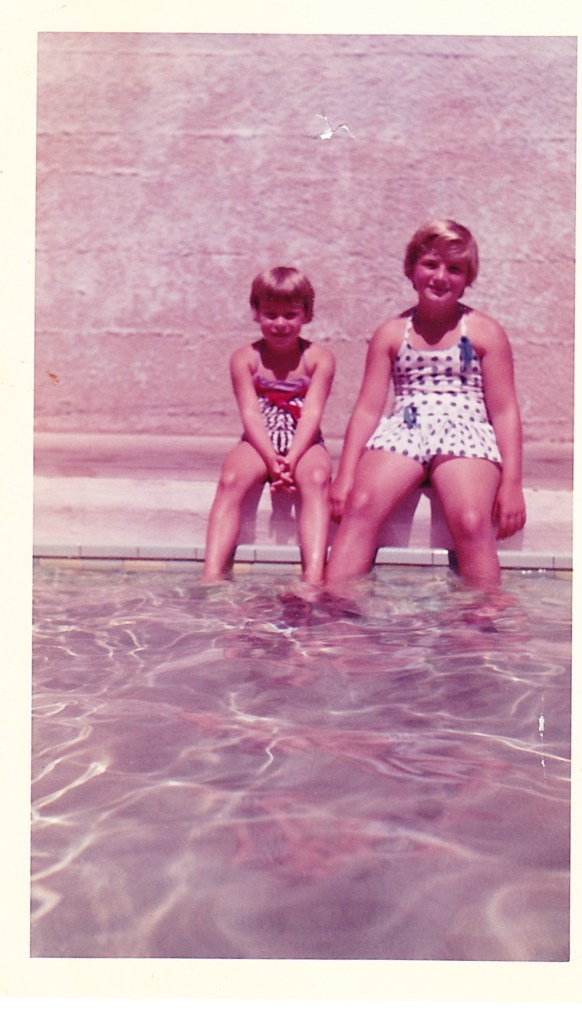

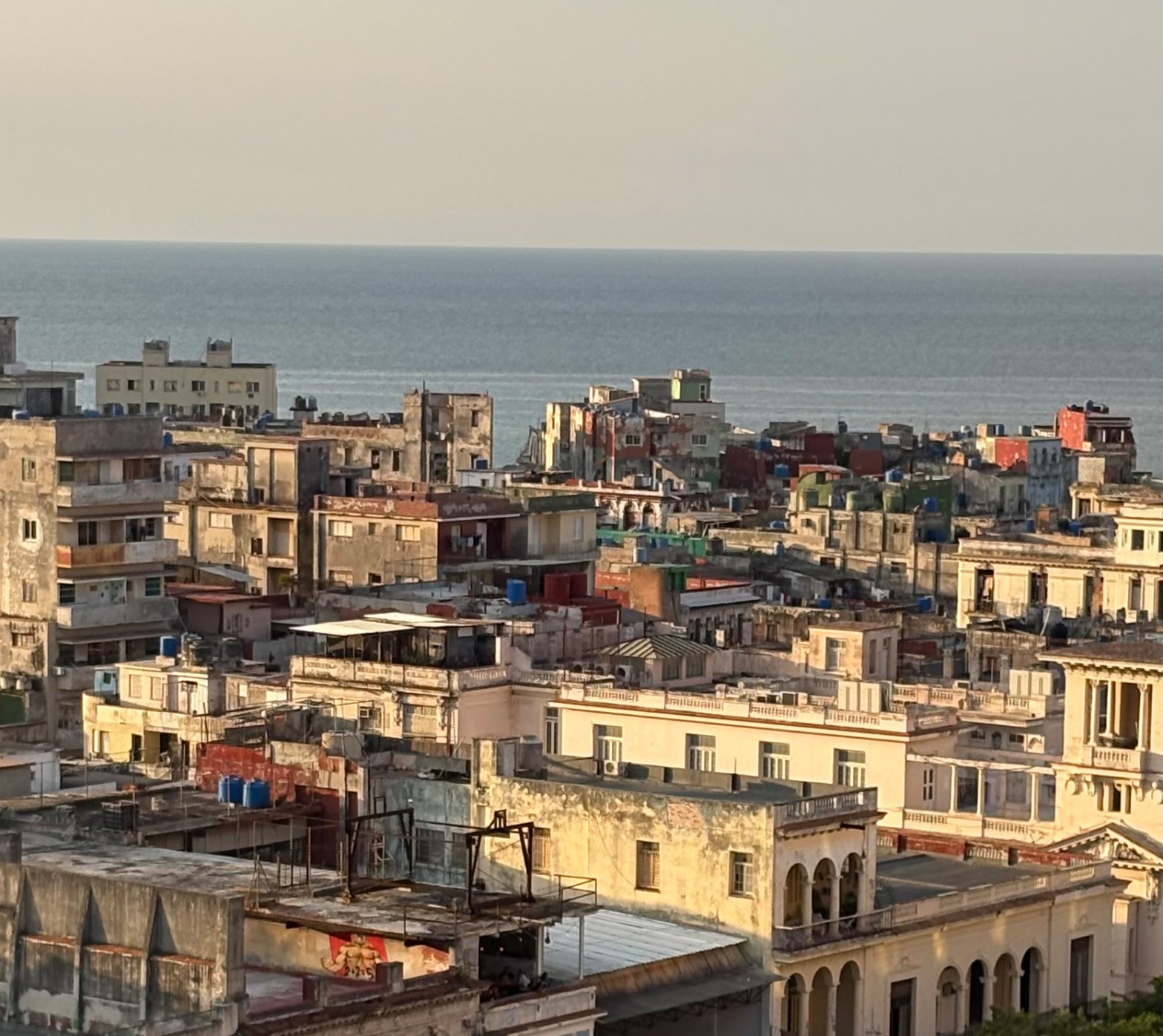
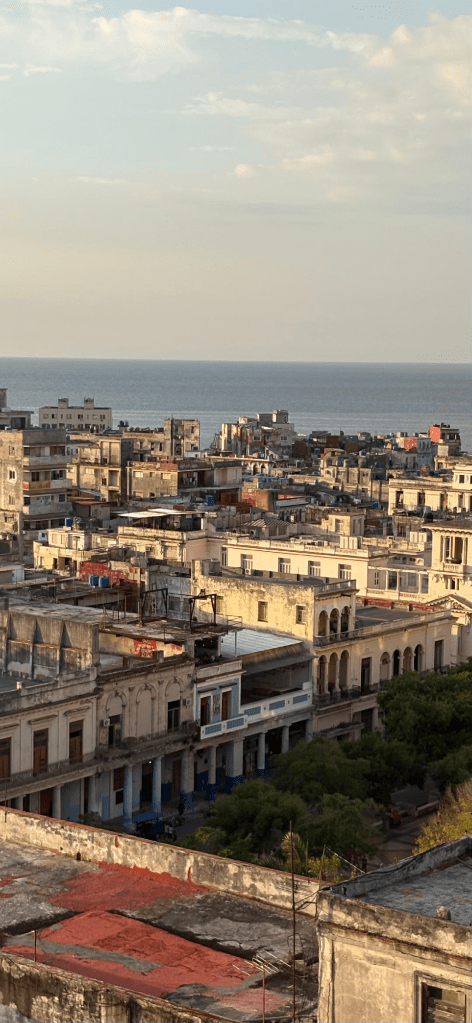
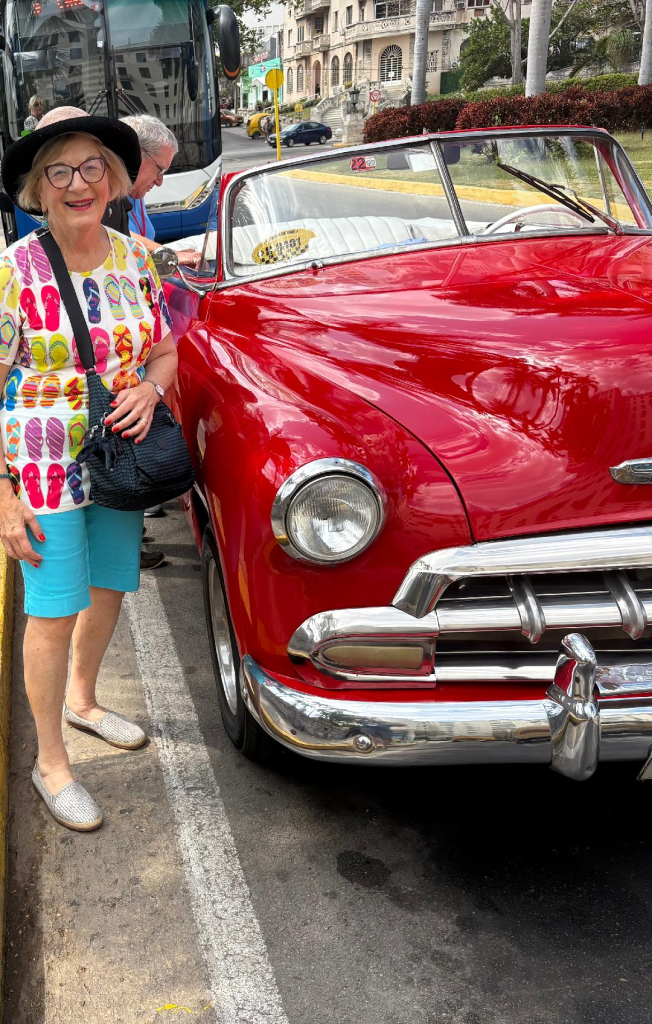
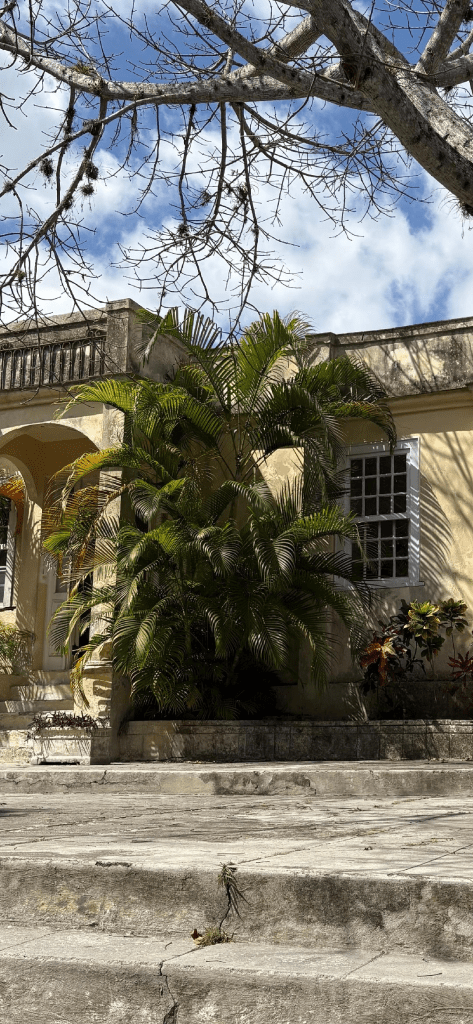

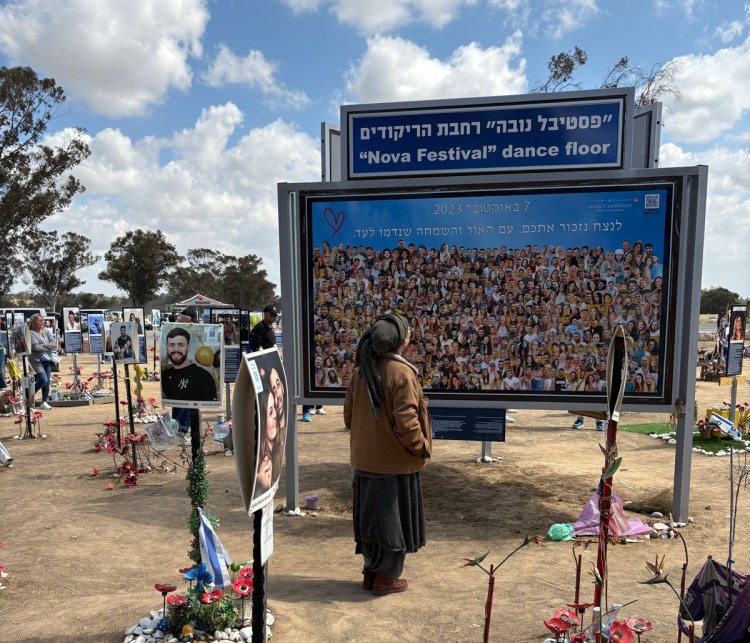
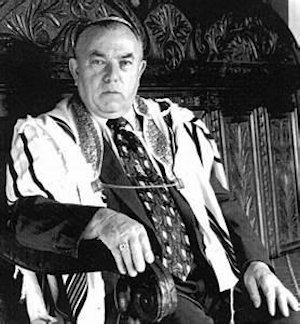

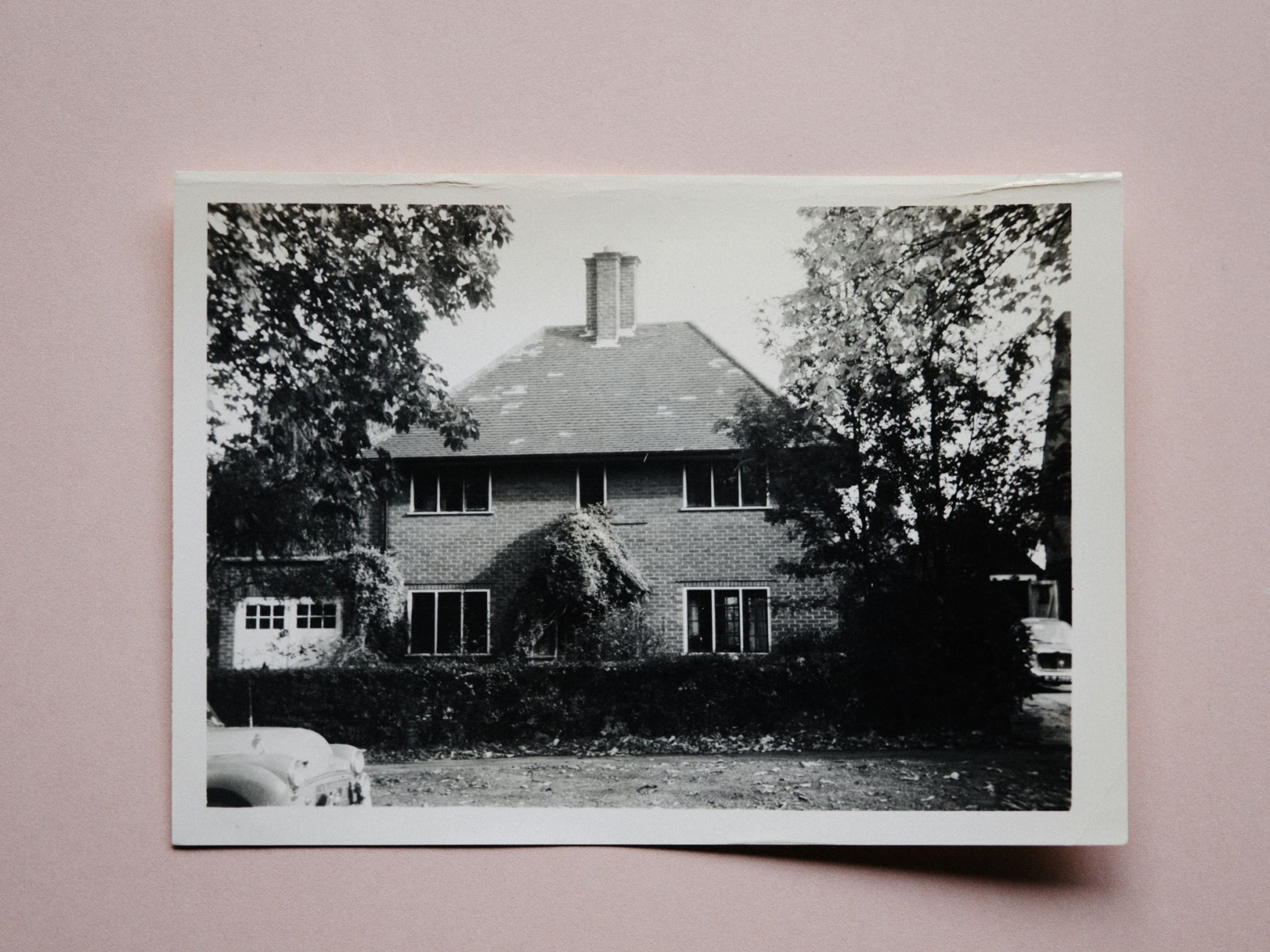

 Joanne Jagoda